



How Does un Procesador de Pared de Vídeo Trabajar?
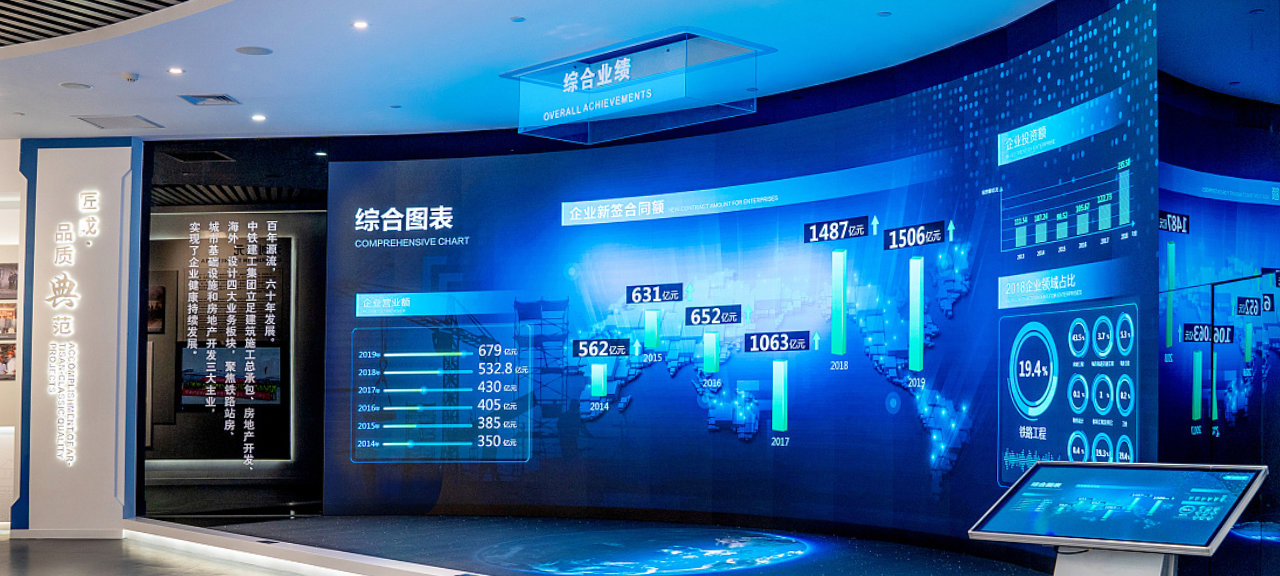
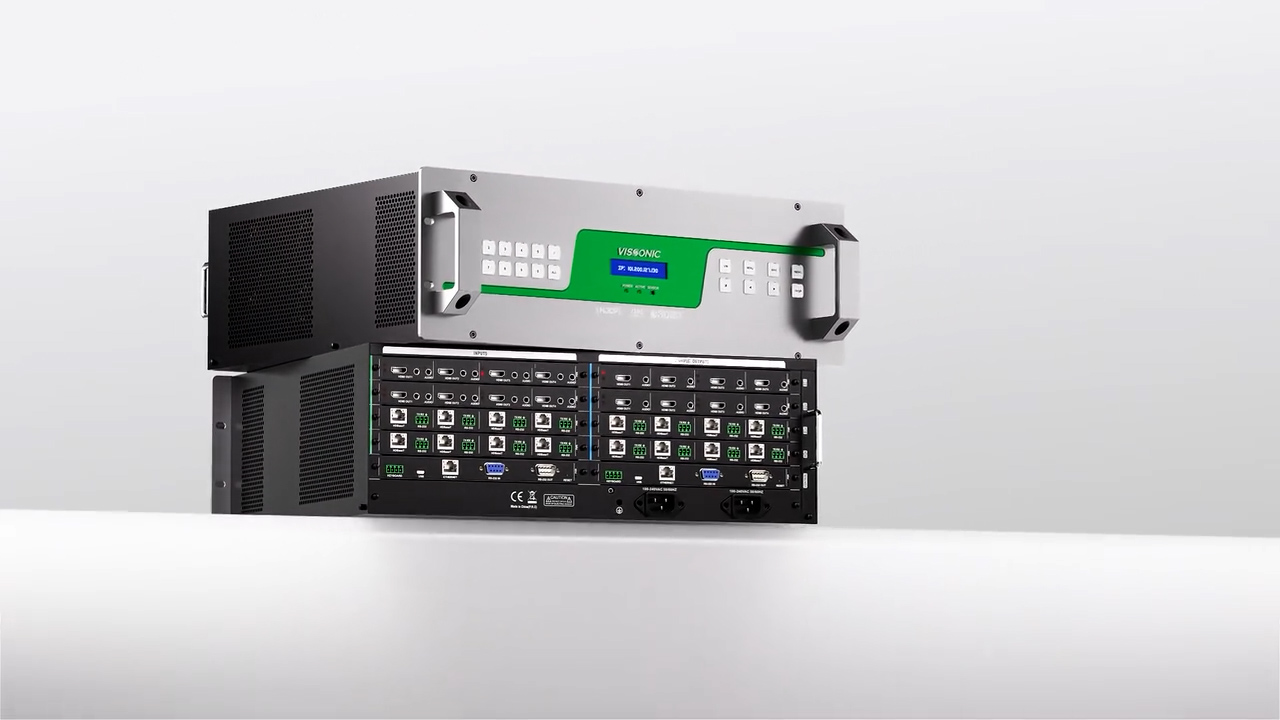
UN video wall processor es Un essential component En El functioning of UN video wall sistema. Ello enables El display of multiple video sources across UN grande array of screens, que can ser organized UN present one unified image o several different images.
Este article será break down cómo video wall processors function, su key features, y El benefits Ellos bring UN different applications.
1. Input Signal Management
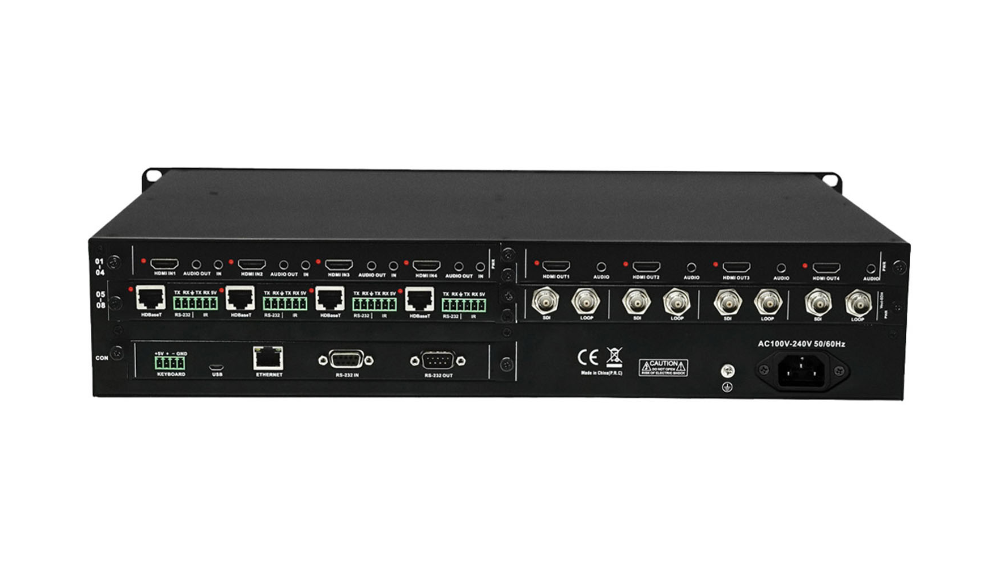
El first task of UN video wall processor es managing input signals. Estos signals come from UN variety of sources, such as computers, cameras, media players, o other video devices. El processor can handle multiple formats, including HDMI, VGA, DVI, y más. Este flexibility allows Para UN diverse range of content UN ser displayed En El video wall, from live camera feeds UN pre-recorded videos.
Once El inputs son received, El video wall processor organizes y processes Estos signals así que Ellos can ser sent UN El appropriate displays En El video wall. Depending En El setup, El processor may tener El ability UN scale o resize El input signals UN fit El display layout.
2. Video Scaling y Image Processing
UN critical function of El video wall processor es video scaling y image processing. Este ensures ese El content from different sources es displayed en El correct resolution y size across multiple screens. El processor uses algorithms UN divide El video content into sections, scaling Ello así que ese cada screen En El video wall muestra El correct portion of El overall image.
Para instance, if Usted’re displaying UN grande image across UN 2x2 video wall (4 screens), El processor divides El image into four sections, cada of que es displayed En one screen. El result es UN seamless, high-resolution image across El entire video wall.
3. Real-Time Content Distribution
After processing El input signals, El video wall processor distributes El content UN El individual screens En real time. Este es crucial Para applications like live event broadcasting o security monitoring, donde delays En content display could lead UN significant issues. El processor ensures ese all screens update simultaneously, proporcionando smooth transitions y eliminating lag.
Additionally, El processor allows Para dynamic adjustments during El operation. Este means Usted can change El layout, add new video sources, o modify El content being displayed without disrupting El entire sistema. Such real-time distribution capabilities hacer video walls highly flexible y customizable Para various uses.
4. Layout Customization y Display Control
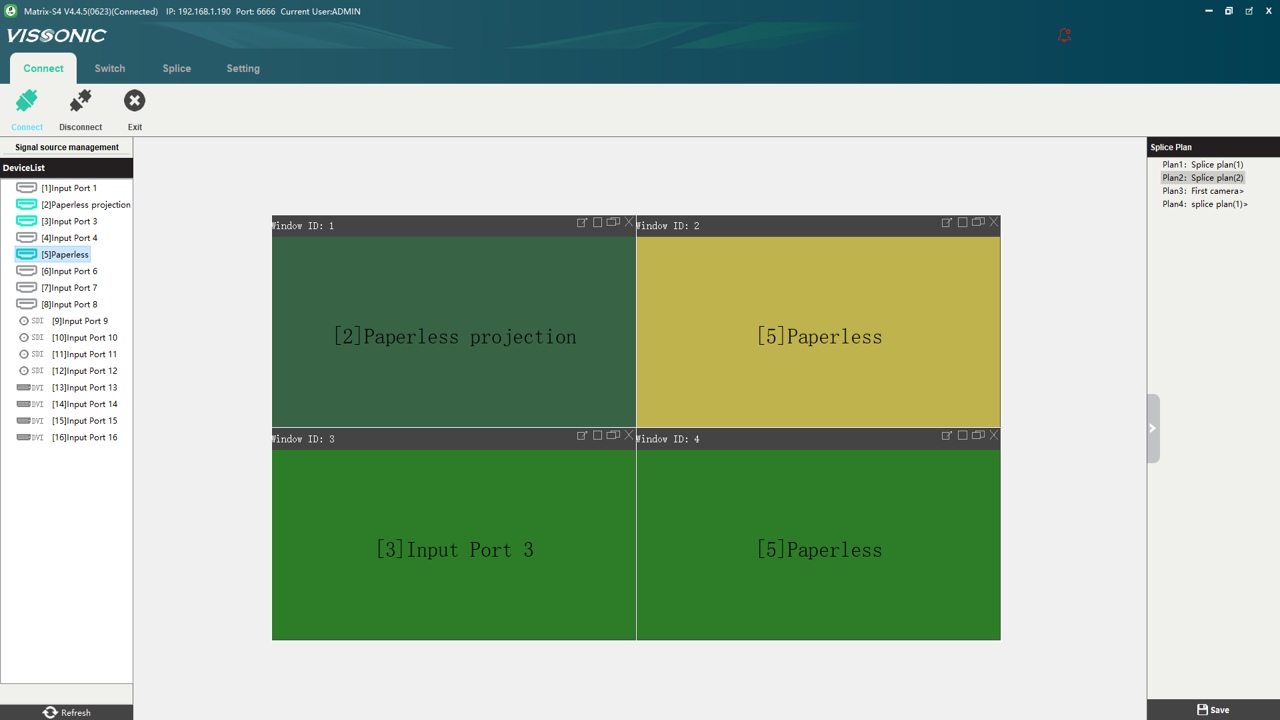
One of El key features of UN video wall processor es su ability UN customize El display layout. Users can decide cómo Ellos want UN present su content, whether Ello’s one grande image stretched across multiple screens o several smaller images En different parts of El video wall. Advanced processors allow Para intricate layout designs, such as picture-En-picture displays, tiled arrangements, y split-screen configurations.
El processor también gives users control más de cada screen individually. Usted can adjust El brightness, contrast, y color settings Para cada display UN ensure uniformity across El video wall o crear different viewing experiences depending En El content. Este level of control es especially useful En environments like control rooms o advertising, donde image quality es paramount.
5. Signal Synchronization
Signal synchronization es another critical function of El video wall processor. Para video walls hizo up of multiple displays, ensuring ese all El screens renovar y change content en El igual time es essential Para creando UN seamless viewing experience. Cualquier delay between screens can cause El display UN appear disjointed o distorted. El video wall processor synchronizes El signals sent UN cada screen, ensuring perfect alignment y smooth transitions between images o videos.
6. Types of Video Wall Processors
Allí son different
Matrix Switchers: Estos processors switch between different input sources y display ellos En selected screens. Ellos son suitable Para simpler video wall setups.
Multiviewers: Estos allow users UN display multiple input signals En UN single screen. Ellos son often used En surveillance operations donde multiple camera feeds son displayed simultaneously.
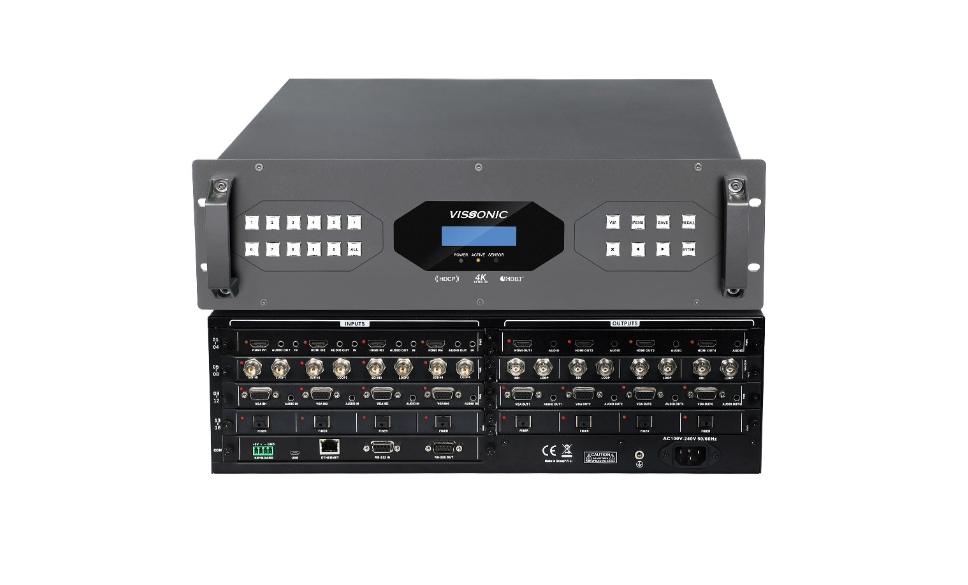
Dedicated Video Wall Processors: Estos son El más powerful y versatile processors designed Para complex video wall setups. Ellos handle UN wide range of inputs y outputs, support intricate layouts, y deliver high-quality content con real-time synchronization.
7. Benefits of Using UN Video Wall Processor
Video wall processors proporcionar several benefits ese enhance El functionality performance of video wall sistemas:
Seamless Image Display: Por processing y scaling content, El processor ensures ese images y videos appear seamlessly across El video wall, without distortion o interruption.
Flexible Layout Management: Users can customize El display layout, creando dynamic y engaging presentations tailored UN specific needs.
Real-Time Monitoring: En applications like security broadcasting, El real-time capabilities of El processor ensure immediate response UN Cualquier changes o events, haciendo Ello Un essential tool Para critical environments.
Multi-Input Support: El ability UN handle multiple input sources means ese UN variety of content can ser displayed, from different cameras UN video feeds y más.
Questions y Answers
Q: Can Yo control El video wall remotely using UN video wall processor?
UN: Sí, más modern video wall processors come con software ese allows users UN control El sistema remotely via UN web interface o app. Este feature es useful Para grande-scale installations o Para managing content from UN different location.
Q: Hacer Yo need UN video wall processor Para UN small video wall setup?
UN: Para simple video walls, such as UN 2x2 configuration, UN basic matrix switcher o display controller may suffice. Sin Embargo, if Usted need advanced features like custom layouts, real-time content switching, y synchronization, UN dedicated video wall processor es recommended.
Q: Son video wall processors compatible con all screen types?
UN: Sí, video wall processors son designed UN work con various screen types, including LCD, LED, y projection screens. Sin Embargo, Ello’s important UN ensure ese El processor supports El resolution y connectivity options of su specific display sistema.
Conclusion
UN video wall processor plays UN critical role En ensuring El smooth operation y high-quality performance of UN video wall sistema. From managing input signals y scaling content UN synchronizing displays y ofreciendo layout customization, Estos processors proporcionar El tools needed UN crear Un engaging y seamless visual experience. Whether Usted’re using UN video wall Para security, live events, o presentations, choosing El right processor es essential Para achieving El best results.